Silent Sparrows
An augmented reality installation experience
ABOUT THE PROJECT
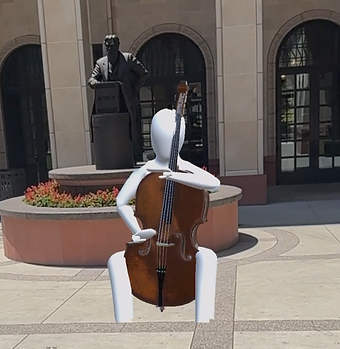
Silent Sparrows is an augmented reality installation experience that explores how AR installation spaces can enhance narratives.
This project used mobile Augmented Reality (AR) and an interactive installation composed of the Internet of Things (IoTs) in order to describe a granddaughter’s journey to uncovering her grandfather’s past in China, 1980s.
ROLE: Experience Designer, UI Designer
PLATFORMS: Unity, Figma, Photoshop
TEAM SIZE: 2
TIME FRAME: 2 semesters (2022-2023)
Responsibilities:
-
UI & UX Design: Crafted levels that reflect China's rich history, integrating this theme into the user interface with Figma to align with emotional user experience objectives, guided by The Player Journey Map and User Flow.
-
Playtesting: Executed three comprehensive playtesting phases, totaling over 30 sessions, to collect detailed feedback. Analyzed responses to enhance the player experience and refine the user interface, leading to noticeable improvements in user engagement.


DEVELOPING THE PROJECT
The Player Journey Map
We need to comprehend the feel and touchpoints throughout the experience from the player's perspective, so mapping the user journey helps ensure that the user's emotions align with the intended design goal.

User flow
By depicting the whole process, we can identify how the palyer is navigating and see if they meet their needs.
Also by creating the player flow, we know the steps a palyer takes to complete that task. It helps us make a clear way for the player to achieve its goal.

User interface
The primary key of designing a user interface is cosistency with Installations in spave and keeping it simple. I create the user interface using Figma.


TESTING THE PROJECT
The project went through three rounds of playtests, with each round consisting of more than 10 individual playtests. We gathered both qualitative and quantitative results through interviews and questionnaires. Based on the players' feedback, we made improvements to the player experience and user interface design.
REFLECTION
Creating this project provided me valuable insights into the relationship among players, physical objects in the real world, and virtual elements.
Through playtests and player feedback, I learned how to enhance the player experience by carefully balancing virtual and real-world elements. And the iterative process of gathering feedback and making improvements was crucial in refining the design and creating a captivating and immersive experience.
NEXT PROJECT
Whispers of Reminiscence Dream